

Key Takeaways
• A kitchen strip-out involves removing all cabinetry, benchtops, appliances, splashbacks, and flooring, plan the sequence carefully to avoid damaging plumbing or electrical rough-in.
• Disconnect and isolate the gas supply before removing a gas cooktop or oven, this must be done by a licensed gasfitter, regardless of whether you handle the rest yourself.
• Photograph all electrical and plumbing services before covering them, this saves significant time and cost when the new kitchen installation begins.
• Cabinets and benchtops in reasonable condition can be sold, donated to Habitat for Humanity ReStores, or listed on local Facebook groups before demolition.
• 1300 Rubbish collects all strip-out waste from kitchen renovations, old cabinets, benchtops, tiles, and appliances, in a single load, so the site is clear for your fitter.
The kitchen is an integral amenity anywhere. For workspaces, it’s the place you fuel up for the day, where you store food and chat with co-workers, and most importantly, it’s usually where the coffee is kept. You want to look after the kitchen as a shared space and make sure everyone is content with how it’s kept and operates.
This is still important when you’re preparing to move out of space or upgrade your amenities. Conducting a kitchen strip out is a necessary evil in this process and means you’ll need to dismantle, demolish, or remove certain fixtures and fittings to restore or elevate the space. If you’re a tenant, there are also strict contractual obligations you will need to follow, and one of those is leaving the kitchen clean, tidy, and ready for the next tenant to move in.
It can be hard to know where to start, but never fear! 1300 Rubbish is here! We’re in the know about all things kitchen strip out and waste disposal, so follow this guide as your business starts a new chapter.
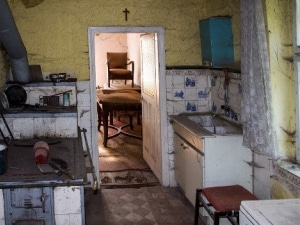
Key Takeaways
- Kitchen strip-outs involve the dismantling and decommissioning of kitchen elements in a building.
- The process requires a full assessment of the space, disconnecting of all appliances and utilities, the removal of movable items, waste disposal, and lodging the appropriate development applications.
- A kitchen strip is required for refurbishment, to fix damage, or to fulfil end-of-lease agreements.
- To prepare for a kitchen strip out, it is vital to have a clear plan in place with all the correct documentation reviewed and filed, have a reliable waste disposal service, and a reliable contractor that is experienced and legally compliant.
- 1300 Rubbish can help support you during your kitchen strip-out journey by providing waste disposal services before and after the project’s completion.
What Is a Kitchen Strip Out?
A kitchen strip-out involves the dismantling and structured decommissioning of the kitchen amenities in a building. Due to extensive amenity systems, kitchens are one of the most complex areas of an office, and stripping them is a time-consuming process that requires an expert contractor.
Heavy and highly regulated equipment paired with converging utility connections means that if a strip-out job is done incorrectly or is left unfinished, serious safety hazards can arise. This is why most lease agreements require tenants to conduct a thorough decommissioning process that returns the space to its original condition. Not doing so may delay the bond release and prevent a successful handover.
What Is Included in a Kitchen Strip Out?
A kitchen strip-out starts with a full assessment of the space that includes:
- A risk and hazard assessment
- Documenting equipment
- Reviewing service connection
- Understanding the structural make-up
Afterwards, licensed technicians will safely disconnect utilities. Gas lines will be capped, electrical circuits switched off, and water supplies isolated.
Next, all equipment and added fixtures are removed. This includes:
- Occupants’ removal of personal belongings and preparation of workspaces for decommission
- Removal and disconnection of appliances, i.e., ovens, sinks, grills, fridges, dishwashers, microwaves, and furniture
- Removal of fixtures and fittings, i.e., wires, lights, carpets, cabinets, benchtops, and partition walls
Once the fixtures are removed, the space is further assessed for hazardous materials, and if present, these are dealt with by properly licensed professionals. In older buildings, unsafe materials like lead, lead paint, and asbestos are common and should be assessed for.
The next step is to strip the space to its bones by removing non-essential elements. This includes:
- Pulling down drywall
- Taking out ceilings
- Knocking down walls that don’t support weight
- Tile removal
- Removing flooring and splashbacks
Lots of waste is produced from these types of demolition projects, and it’s important to dispose of these materials responsibly. Some demolition debris can be recycled, like metal, concrete, and wood, so all waste should be sorted and tossed following state standards.
After a final site sweep and debris removal should be complete prior to handover.
When Do You Need a Kitchen Strip Out or Demolition Service?
Most kitchen strip-outs are necessary for refurbishment projects, a lease end, or when damage has occurred in the space.
Refurbishment
When your kitchen needs a fresh lick of paint or you want to update the amenities, a kitchen demolition is necessary to clear the space for something new to work with. This way, builders have a clean slate, and there are no issues with prior fixtures or utilities.
End of Lease
At the end of a lease, landlords usually require you to follow a ‘make good clause.’ This means returning the space to its original state for a new tenancy. In order to fulfil your lease agreements and have a smooth handover, removing all added fixtures, cleaning the space, and leaving it tidy are necessary steps to take.
Damage
General wear and tear or more serious plumbing issues, faulty electrics, and breakdowns may call for a full or partial kitchen strip out. It’s important to consider the most practical approach to these repairs, what space you may need to conduct them, and whether you can restore the damage without a complete overhaul.
What Are the Benefits of a Professional Kitchen Strip Out?
Partnering with a professional strip-out team takes the pressure off you. It allows you to complete the task in a way that satisfies all legal requirements and is done in a safe, compliant manner. There may also be instances where you come across more complex issues that need to be resolved, and professional contractors can help you through this process. Hiring a professional team gives you the benefit of being able to handle:
- Unexpected Obstacles: During a kitchen strip out, unforeseen issues may arise. Hidden damage, mould, deteriorated features, and other faulty faculties will require expert opinions on how to resolve them.
- Legacy Modifications: Previous tenants may have made modifications to the space that need to be addressed so that your lease agreement can be honoured. Resolving this issue will help you avoid delays later.
- Limited Schedules: Specialist teams know what they’re doing and how to complete each task within the correct timeframes. Particularly when a new tenant is due to move in, it’s important to keep to the schedule.
- Compliance and Regulation: Along with lease agreements, there are several areas of compliance and regulation that you will need to adhere to. Professional contractors will be sure all the demolition and decommissioning is compliant.
How Long Does a Kitchen Strip Out Take?
The length of time it takes to complete a strip out will depend on the complexity and scale of the job.
For a standard fitted office kitchen, 6-12 hours is the estimated completion time. This is approximately 1-2 business days. If the kitchen is larger or there are complications with the strip out, it can take 1-4 business days.
Cleanup time and waste volumes can impact the timeframe of the job.
Are There Any Legal Forms To Complete Beforehand?
Before you start your demolition, you’ll need to make sure all your paperwork is in order. In most cases, local councils require you to apply for approval and work with licensed professionals.
The types of approvals will depend on the scale of the work being carried out. For major alterations, a Development Application (DA) is required. If the works are standard, only a Complying Development Certificate (CDC) is necessary. If your strip-out requires any structural or layout changes, a Construction Certificate (CC) is needed in order to comply with the Building Code of Australia.
For older buildings, a heritage impact assessment may also be necessary. If your building was constructed before 1990, you will need a licensed asbestos assessor to inspect your property.
7 Point Checklist to Prepare for Kitchen Strip Outs
Before the demolition starts, it’s important to get your space and team ready for the process. Follow this 7-point checklist to prepare for your strip out!
1. Ensure You Have a Game Plan for Your Team
Planning early and assessing your space as soon as possible is key. Make sure you have a plan in place for what jobs need to be completed prior to any demolition work, and outline the dates they need to be completed by.
Be sure to consider how long the job will take, how much it will cost, and whether you will need a clean-up crew to support you (psst…1300 Rubbish is available for that). If you are renovating your space, you will also need an estimate for how long your kitchen will be out of commission.
Smooth schedules, timelines, and clear directions are vital to making sure your strip-out moves effortlessly and that your team knows what is happening and when.
2. Declutter, Clean, and Map Out What Needs to Be Moved
The next step is to take inventory of your space to see what amenities, fixtures, and utilities might need to be moved or removed. Any movable items need to be cleared from the space prior to any dismantling. This includes microwaves, ovens, fridges, dining sets, bins, utensils, and other loose equipment not permanently fixed to the space.
Depending on the size of your space and the nature of your strip out, it may be necessary to have employees clear their workstations and take home any personal belongings so that they don’t interfere with deconstruction.
This is a good time to consider what furniture and appliances you want to get rid of. Maybe you want to upgrade your fridge or replace a broken microwave, or just need help removing waste. Whatever it is, 1300 Rubbish is here to help clear your commercial space. We have extensive experience with:
- Furniture removal
- Office strip-outs
- Electrical waste recycling
- Data destruction
- Rubbish removal
While we can’t perform any wall removals or kitchen demolition for you, we can help with the cleanup and disposal of waste. If you’re unsure if your kitchen strip-out fits the bill, give us a call at 1300 782 247.
3. Involve Your Staff
Once you have a solid plan in place, make sure you discuss the details with your team. Divvy up jobs, communicate deadlines, and make sure there are clear instructions on what is happening to the space.
4. Prepare For The Worst: Have A Backup Plan
There is plenty of room for things to go wrong during a kitchen strip-out. Hidden damage, discovery of dangerous materials, mould, or more complicated demolition needs can lead to delays and higher costs.
While you’re planning for a strip out, plan for the worst-case scenario. Check the age of your property and have it inspected for lead and asbestos. Find out if there are any preexisting leaks, breaks, or damage that may affect the strip out. Try to budget for your
5. Get The Legalities Out Of The Way: Gain Approval For Your Kitchen Strip Out
If you are leasing a space, before you make any changes, you should always check your agreement and see what obligations you need to fulfil. ‘Make good clauses’ are a part of most leases, and it is your responsibility to return the kitchen to its previous condition.
After understanding your lease, you will need to apply for the applicable development certificates with your council. Depending on the type of certificate/s you need, it may take up to 3-4 weeks for your application to be approved. Factor this into the renovation timeline. For a smooth application, be sure you have:
- All your planning documentation is in order
- Applied well before construction is due to commence
- Notified your landlord of your development intentions (if applicable)
These steps may vary from state to state, so look up the processes for your local planning site:
6. Switching Off Power Points, Electricity, and AC Units
To keep contractors and staff safe, switch off power points, AC units, and the necessary electrical fittings in the area.
7. Find A Reliable Kitchen Strip Out Company
Choosing the right strip-out company for your site will make a world of difference to the demolition procedures. A good strip-out company will have:
- Experience: Choose an experienced professional with a proven track record in commercial stripping. This may include stripping office, retail, medical, or educational facilities.
- Licensing and Insurance: All construction companies should comply with development regulations and practices. This means being WorkSafe compliant, using proper PPE, having insurance, properly assessing the work area, and having worker certification and licensing. This ensures all parties are protected during the project.
- Clear communication: Knowing what’s going on and being able to ask questions, get updates, and discuss changes is key for any project. Your contractor should be able to provide a transparent timeline and cost estimate for the project.
Why Choose 1300 Rubbish for Your Kitchen Clean Ups
Rubbish removal is inevitable when conducting a kitchen strip-out — both before and after the project. 1300 Rubbish is here to provide reliable rubbish removal services for whatever your waste disposal needs may be.
During the prep stage of your project, we can help to responsibly dispose of:
- Furniture and appliance removal
- Electronic waste recycling
- Rubbish removal, including general waste, food and organic waste, paper and glass recycling
Taking care of your waste before you begin a strip out means you give your contractors a clear space to work in with fewer risks and hazards.
After your renovation is complete, there will be a sizable amount of waste and rubbish left over. Sometimes contractors will clean up after themselves; other times, they won’t, or they might miss certain spots. If this is the case, then 1300 Rubbish is available to do a proper sweep of the space and remove any waste in an environmentally friendly manner. Demolition debris like metal pipes, cabinetry parts, some woods and plastics, can be recycled — we want to take advantage of this to minimise landfill waste.
We offer transparent pricing and end-to-end waste disposal services that will leave your space ready for dismantling or for a new project to commence. To partner with 1300 Rubbish today, follow these simple steps:
- Call on 1300 782 246 or fill in the quick online form, and we’ll give you an obligation-free estimate of how much your job will cost.
- Choose a time that works for you.
- Our team will call 20-30 minutes before they arrive, and will reconfirm the cost before they start the job.
- Once the job is complete, we’ll sort your waste, load it up, and complete a site clean. Then we’ll dispose of the waste: recycling and composting wherever possible.
Partner with our experts for an efficient service with minimal disruption!
FAQs
How Much Does a Kitchen Strip Out Cost?
The cost of a kitchen strip will vary depending on the job site, volume of work, and types of facilities that need to be decommissioned. Some contractors quote the estimated cost in Sydney to be between $1,000 to $5,000, while others estimate it to be between $2,000 to $6,000.
When budgeting for a kitchen renovation, consider these factors when looking for an estimate:
- Size of the kitchen
- The types of materials, facilities, utilities, appliances, and fixtures that need to be removed
- Labour cost of waste disposal and decommissioning of the kitchen
What Happens After a Kitchen Strip Out?
After a kitchen strip out is complete, the site supervisor will conduct a final inspection to ensure the space is compliant with safety and regulatory standards and ready for the next stage of development.
This is also when a proper clean-up of the space will occur, and waste disposal experts like 1300 Rubbish can guarantee your kitchen is clean, tidy, and hazard-free.
Kitchen Strip Outs for Homes vs Offices
The differences between home and office kitchen strip outs primarily have to do with the intentions and layouts of the space. Residential kitchen de-fits are often done by homeowners to redesign the space to suit their personal taste or upgrade a living area. Conversely, office kitchen strip outs are primarily to fulfil ‘make good’ clauses or for refurbishment in a commercial property.
The scale and size of the space differ, as does the complexity of the project. Home renovations will often have more lenient timelines and legal development requirements, while office spaces are strict on schedules and have more stringent legislation attached to them.
Can You Do a Kitchen Strip Out Yourself?
You can do a kitchen strip out yourself, BUT it will be more labour-intensive, take more time, and pose greater risk to yourself and the space. Professional contractors are fully licensed, have the proper insurance to conduct the work, understand safety protocols, and safely remove hazardous materials, which will create a better foundation for new installations.