
Articles

Discount Rubbish Removal: How to Get Quality Service Without Overpaying

Everybody wants to get their rubbish removed cheaply, and that’s completely understandable. However, where people get concerned is when they equate “cheap” rubbish removal with “poor quality” or “unreliable” services. What a lot of people don’t realise is that it doesn't have to be the case. What if a rubbish removal company offered transparent pricing with no hidden costs, with a reliable service that makes the whole process hassle-free? 1300 Rubbish does all of that and more, with over 30 years of experience in the rubbish removal industry, we combine affordable rubbish removal services with quality work, backed by strong client testimonials and Google reviews. What Actually Makes Rubbish Removal "Cheap"? Choosing a cheap rubbish removal service doesn't mean you're going to get poor service. It means you get transparent, volume-based pricing without hidden fees and other nasty surprises. What actually drives the cost of your rubbish removal comes

2026-06-26T11:54:54+10:00June 26th, 2026|Articles|

The Office Downsizing Rubbish Removal Guide

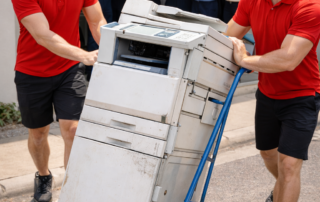
Downsizing your office is an immense undertaking with many factors to consider. One element that can be particularly daunting is deciding which things you'll no longer need, and how to get rid of all the rubbish that accompanies a downsize. Thankfully, we're here to help. In this guide, we'll take you through what's involved in office downsizing and how to best manage rubbish and waste removal throughout the process. Why Offices Downsize Offices downsize for multiple reasons, including: End-of-lease office relocation: When an office doesn't continue its lease at a building, the new building they're relocating to may not have the space to accommodate all of the furniture, equipment, and other items. It naturally follows that some items will need to be culled during the move. Hybrid work arrangements: Deciding to make the shift from office-based work to a hybrid model often means that less space and equipment are

2026-06-22T20:42:20+10:00June 22nd, 2026|Articles|

Kitchen Strip-Outs: What They Are and How the Process Works

Key Takeaways • A kitchen strip-out involves removing all cabinetry, benchtops, appliances, splashbacks, and flooring, plan the sequence carefully to avoid damaging plumbing or electrical rough-in. • Disconnect and isolate the gas supply before removing a gas cooktop or oven, this must be done by a licensed gasfitter, regardless of whether you handle the rest yourself. • Photograph all electrical and plumbing services before covering them, this saves significant time and cost when the new kitchen installation begins. • Cabinets and benchtops in reasonable condition can be sold, donated to Habitat for Humanity ReStores, or listed on local Facebook groups before demolition. • 1300 Rubbish collects all strip-out waste from kitchen renovations, old cabinets, benchtops, tiles, and appliances, in a single load, so the site is clear for your fitter. The kitchen is an integral amenity anywhere. For workspaces, it's the place you fuel

2026-08-04T20:04:48+10:00April 8th, 2026|Articles|

What’s Going to Waste? 10 Facts About Recycling, 2026

Key Takeaways • Australia's national recycling rate sits at approximately 63%, but contamination of recycling bins remains a significant issue that reduces the effective rate substantially. • Glass, paper, cardboard, aluminium, and certain plastics (types 1, 2, and 5) are the most reliably recycled materials in the Australian kerbside system. • Soft plastics, including bread bags, chip packets, and cling wrap, are not accepted in most kerbside bins and must be taken to dedicated collection points like REDcycle alternatives. • Recycling behaviour varies significantly by state. NSW and Victoria have invested more heavily in infrastructure, producing higher diversion rates than other jurisdictions. • For items that can't be recycled kerbside, 1300 Rubbish ensures collected rubbish is sorted and directed to appropriate facilities, prioritising recycling and reuse over landfill. As Aussies, we like to think of ourselves as an environmentally switched-on country. From reusable coffee

2026-08-05T19:40:36+10:00April 8th, 2026|Articles|

Illegally Dumped Rubbish Removals

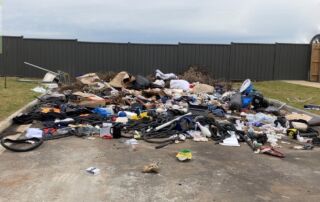
Key Takeaways • Illegally dumped rubbish on private property becomes the landowner's legal responsibility to remove. Councils rarely clear private land dumping without a significant fee. • Before touching illegally dumped waste, assess for hazardous materials (asbestos, chemicals, medical waste), as these require specialist handling and cannot be loaded with general rubbish. • If dumping occurred on public land, report it to your local council using their online reporting tool, as most NSW councils have a 48-hour target for bulk dumping removal. • Installing security cameras and 'No Dumping, Penalty $1000+' signage at known dumping locations significantly deters repeat offending. • 1300 Rubbish removes illegally dumped rubbish from private properties, commercial sites, and body corporate common areas, including bulk waste, furniture, and construction debris. Illegal dumping is an increasingly common issue for everyday Aussies, and involves the discarding of large quantities of waste on

2026-08-05T19:43:48+10:00April 8th, 2026|Articles|

Same Day Office Rubbish Removal Checklist

Key Takeaways • Complete a detailed inventory before the removal team arrives, knowing exactly what's going and what's staying prevents expensive miscommunications and re-removal visits. • Separate IT assets from general rubbish before collection day, computers, servers, and phones require data destruction before physical disposal. • Confirm lift access, building after-hours access, and any body corporate or strata requirements for removal trucks before booking, unanticipated access issues cause costly delays. • Flag any items that may require specialist disposal (chemicals, batteries, fluorescent tubes) separately from the main rubbish stream. • 1300 Rubbish provides same-day office rubbish removal across Sydney with teams sized to the job, from a few desks to full floor clear-outs. Keeping your office clean and tidy can be crucial for an effective workspace, or a key part of an office strip-out. By relying on a professional rubbish removalist, you can reduce

2026-08-04T20:06:21+10:00March 18th, 2026|Articles|

Small Rubbish Removal, Big Difference to Your Space

Key Takeaways • Small rubbish removal is ideal for single items, part-loads, or modest clean-outs, you don't need a full truck to use a professional rubbish removal service. • Most rubbish removal companies price by the volume of truck space used, meaning a small load only pays for what it occupies, typically from a minimum charge. • A small job often still requires two people due to heavy or awkward items like fridges, lounges, or mattresses, factor this in when comparing to self-tipping. • Council bulk waste collections are free but scheduled infrequently, if you need something removed now, a paid small-load service is usually more practical. • 1300 Rubbish takes small loads from a single item upward, with competitive minimum pricing and same-day availability across the Sydney metro area. Even the smallest rubbish removal job can turn into a huge hassle. What starts

2026-08-04T20:19:47+10:00December 1st, 2025|Articles|

Common Rubbish Dumped Illegally Across Sydney

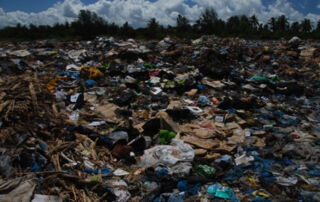
Key Takeaways • The most common types of illegal dumping in Sydney are construction waste, household furniture, mattresses, white goods, and tyres dumped on roadsides and bushland. • Illegal dumping is a criminal offence in NSW with fines of up to $1 million for corporations and $250,000 for individuals, plus potential jail time. • Council rangers use CCTV, tip-offs, and physical evidence (mail, registration plates) to identify and prosecute illegal dumpers. • Sydney's rapid population growth and development have increased construction waste volumes, making illegal dumping a growing problem in outer suburbs. • Legal alternatives include council clean-up bookings, licensed rubbish removal services like 1300 Rubbish, and drop-off at local transfer stations. Illegal dumping in Sydney is slowly becoming more common as residents across rural and metropolitan areas are finding couches, televisions, general household junk, hazardous waste and more dumped on private land, public

2026-08-05T18:29:43+10:00October 9th, 2025|Articles|

10 Surprising Facts About E-Waste in 2025

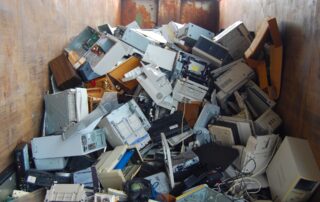
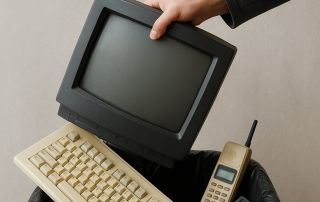
Key Takeaways • Australia generates approximately 554,000 tonnes of e-waste per year, making it one of the highest per-capita producers of electronic waste in the world. • Less than 20% of Australia's e-waste is formally recycled; the remainder ends up in landfill, where toxic materials like lead, mercury, and cadmium leach into soil. • The Australian Government's Product Stewardship Act established the National Television and Computer Recycling Scheme (NTCRS), providing free drop-off for TVs and computers. • Mobile phones, batteries, and small appliances fall outside the NTCRS and must be taken to dedicated e-waste collection points or retailer take-back programs. • 1300 Rubbish collects e-waste as part of a mixed rubbish removal job and ensures items are directed to compliant recycling facilities rather than landfill. Get AI Insights on this story: ChatGPT Perplexity Electronic waste, also known as e-waste, is the world’s fastest-growing waste

2026-08-05T18:58:24+10:00October 9th, 2025|Articles|

How and Where to Dispose of Electronic Waste in Australia

Key Takeaways • E-waste includes televisions, computers, laptops, mobile phones, printers, and household appliances; all contain regulated materials that cannot go to landfill. • The National Television and Computer Recycling Scheme (NTCRS) provides free drop-off for TVs, computers, and computer peripherals at over 1,500 collection points nationwide. • Mobile phones and batteries can be recycled through MobileMuster (Australia Post, Officeworks) or the B-cycle battery drop-off network. • White goods and large appliances are not covered by NTCRS and must go to council e-waste events, licensed recyclers, or be collected by a rubbish removal service. • 1300 Rubbish accepts e-waste as part of a mixed job or standalone collection and ensures items are separated for compliant recycling rather than landfill disposal. When you buy a new phone or laptop, your old one usually just gets tucked away in a drawer. Other items like TVs and

2026-08-04T19:58:30+10:00October 9th, 2025|Articles|

How Much Do Rubbish Tipping Fees Cost in NSW | 1300 Rubbish

Key Takeaways • Tip fees at NSW transfer stations (council waste facilities) are charged by weight and/or vehicle type. A standard ute load of general waste typically costs $80–$180, depending on the council area. • Some councils offer cheaper rates for residents compared to commercial operators. Bring proof of address and check the facility's accepted material list before loading up. • Heavy materials like concrete, soil, and bricks attract a different rate than general household waste. It is important to note that some facilities charge by the tonne for these streams. • Hazardous waste, including asbestos, chemicals, and tyres, is not accepted at most standard transfer stations as these require specialist licensed disposal. • Compared to self-tipping, 1300 Rubbish is often more cost-effective once you factor in vehicle hire, tip fees, loading time, and multiple trips for large clean-outs. What Are Tipping Fees? Tipping

2026-08-05T19:33:20+10:00July 24th, 2025|Articles|

Brick and Rubble Removal: Efficient Solution

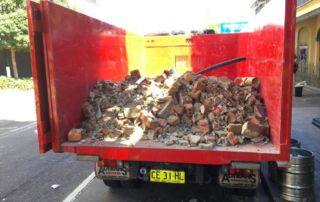
Key Takeaways • Brick and rubble are classified as heavy construction waste and cannot be placed in standard household bins or general skip bins without approval. • Clean, uncontaminated bricks can often be recycled or repurposed. Contaminated rubble mixed with soil or asbestos requires specialist disposal. • The weight of brick and concrete waste means even a small demolition project can produce a tonne or more of debris, making hire-and-load options rarely cost-effective. • Always confirm whether your rubble contains any asbestos-containing materials before organising removal. ACM requires licensed disposal. • 1300 Rubbish removes brick, rubble, and mixed demolition waste with a full load or part-load pricing model, so you only pay for what's taken. When it comes to managing construction waste, home renovations, or demolition projects, brick and rubble removal can quickly become a daunting task. Whether you’re a homeowner tackling a DIY

2026-08-05T19:36:17+10:00April 2nd, 2025|Articles|

Old Diesel Storage Tank – Removal & Disposal how to

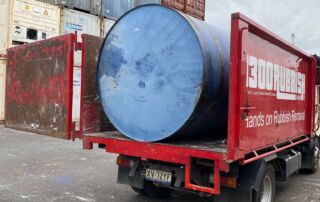
Key Takeaways • Diesel storage tanks must be decommissioned by a licensed contractor. This involves draining residual fuel, cleaning and degassing the tank, and assessing for soil contamination beneath. • Underground diesel tanks require investigation under the Contaminated Land Management Act in NSW. A site assessment report may be needed before development consent. • Above-ground tanks are easier to remove but still require licensed handling if they've contained fuel. Always get a manifest certificate confirming compliant disposal. • Scrap metal value exists for clean, empty steel diesel tanks. Licensed recyclers will purchase decommissioned tanks in good condition. • 1300 Rubbish assists with the removal of above-ground tank infrastructure, support structures, and associated site rubbish once the tank itself has been professionally decommissioned. Diesel storage tanks, particularly those on farms or industrial sites, play a crucial role in operations where diesel fuel is a necessity.

2026-08-05T19:47:53+10:00March 4th, 2025|Articles|

Building Material Removal in Australia – a how to guide

Key Takeaways • Efficient building material removal starts with sorting on-site: separating timber, metal, concrete, plasterboard, and insulation avoids costly contamination charges at the tip. • Salvage reusable materials before disposal, intact bricks, timber beams, and architectural fixtures have resale or donation value through organisations like Habitat for Humanity ReStores. • The weight-based pricing at most construction waste facilities means compacting loads and removing excess moisture from materials like plasterboard reduces disposal costs. • Always check whether materials contain asbestos, lead paint, or other hazardous substances before removal. These require licensed contractors and specific disposal facilities. • 1300 Rubbish provides efficient building material pick-up for renovation and demolition sites, including mixed loads, with same-day availability across Sydney. The 1300 Rubbish Advantage In the dynamic landscape of Australian construction, managing waste effectively is not just about keeping sites clean but also about adhering to local

2026-08-05T19:22:56+10:00February 24th, 2025|Articles|

Efficient Removal of Playground Equipment

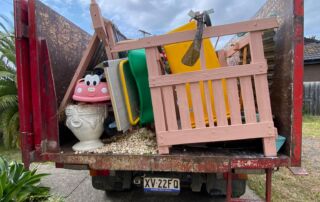
Key Takeaways • Removing old playground equipment requires assessing whether it contains treated pine, lead paint, or galvanised steel, as these materials require different disposal streams. • Larger metal play structures may have scrap metal value. With the help of a rubbish removal company, these metals can be diverted from landfill at no additional cost. • Schools, councils, and body corporates often need a removal certificate or waste tracking document to confirm compliant disposal of old playground equipment. • Disassembly and physical removal are often the most time-consuming parts; using a team with the right tools avoids property damage and delays. • 1300 Rubbish handles full playground equipment removal, including disassembly, loading, and disposal, servicing schools, parks, and residential properties across Sydney. Playground Equipment Loaded on Truck When it comes to the task of removing old or unwanted playground equipment from your suburban home,

2026-08-05T19:38:53+10:00February 17th, 2025|Articles|

What is a Deceased Estate

Key Takeaways • A deceased estate encompasses the total assets and liabilities left behind by a person after death, including property, bank accounts, investments, personal belongings, and debts. • Probate is the formal legal process for validating a Will and granting the executor authority to distribute the estate. It is typically required for property transfers above a threshold. • Deceased estate clearances often involve large volumes of accumulated possessions, furniture, and clothing that need to be sold, donated, or disposed of before the property can be listed. • Executors are personally responsible for managing the estate lawfully and within the timeframes set by state law, professional assistance from solicitors and estate clearance services reduces risk. • 1300 Rubbish provides deceased estate rubbish removal, working respectfully with families and executors to clear properties efficiently and with care. When a person dies, the assets they previously

2026-08-04T19:53:06+10:00April 27th, 2023|Articles|

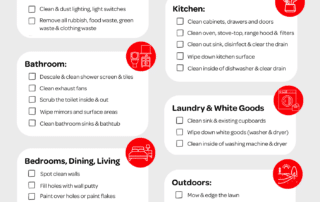
End of Lease Cleaning Checklist: Getting Your Bond Back Made Easy

Key Takeaways • A thorough end-of-lease clean requires working through the property room by room, walls, skirting boards, windows, blinds, kitchen appliances, and bathrooms, all of which carry their own specific requirements. • Landlords and property managers use the ingoing condition report as the benchmark. You should document your clean with dated photos to protect your bond. • Carpets are a common bond dispute trigger, professional steam cleaning is often required by lease terms, regardless of the property's condition at vacating. • Rubbish and bulky items left behind are the tenant's responsibility. Note that junk removal must happen before the final inspection, or it will be deducted from the bond. • 1300 Rubbish pairs with end-of-lease cleans by removing all unwanted furniture, appliances, and rubbish so you hand back a clean, empty property and protect your full bond. Need the TL;DR? Download the

2026-08-04T19:46:25+10:00April 27th, 2023|Articles|

My Tenant left Rubbish behind!!!

Key Takeaways • If a tenant leaves rubbish behind, document everything thoroughly with dated photographs before touching or disposing of any items. This evidence is essential for bond claim purposes. • In NSW, landlords can claim rubbish removal costs from a bond held by NSW Fair Trading if the damage or mess exceeds fair wear and tear, but only with supporting evidence. • Some abandoned items may have value. Electronics, furniture, and tools can be sold or donated before disposal to offset clean-up costs. • Property managers should complete the clean-up and re-let process as quickly as possible to minimise vacancy losses, prompt rubbish removal speeds up this timeline. • 1300 Rubbish specialises in end-of-tenancy clean-outs for landlords and property managers, removing all abandoned rubbish, furniture, and appliances in a single visit. It can be a frustrating and stressful situation for a landlord

2026-08-05T19:46:20+10:00February 28th, 2023|Articles|

The 5 Stages of Hoarding: What Are They?

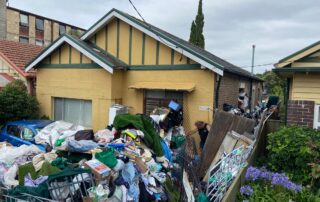
Key Takeaways • Hoarding disorder is recognised in five stages, from minor clutter in stage 1 to completely uninhabitable living conditions in stage 5. • Early-stage hoarding is characterised by light clutter and minimal odour. Late-stage hoarding involves blocked exits, pest infestation, and structural hazards. • The disorder is driven by emotional attachment to possessions, anxiety about discarding items, and often co-occurs with depression or OCD. • Professional intervention, including mental health support alongside physical clean-out services, produces better long-term outcomes than clean-out alone. • 1300 Rubbish offers compassionate, non-judgemental rubbish removal for hoarder clean-ups, handling bulk junk, furniture, and hazardous waste in a single visit. Although hoarding is often associated with joking and laughter, when it reaches a certain point it can become a serious issue. Many hoarding problems can be associated with mental health issues, and having a hoarding disorder can affect

2026-08-04T20:11:39+10:00February 16th, 2023|Articles|

What Should You Do if You Miss Trash Day?

Key Takeaways • If you miss your rubbish collection day, your bin generally won't be collected until the next scheduled service. Most councils do not offer missed collection catch-ups for residential bins. • Contact your council's waste services line within 24 hours if your bin was out on time but not collected. Collectors occasionally miss bins due to access issues or vehicle faults. • For urgent overflow, council transfer stations accept household waste for a fee. This is the fastest legal option when your bin is full, and the next collection is a week away. • Never overfill your bin with the lid open or place bags beside it, many councils will not collect overfull bins, and loose bags attract pests. • 1300 Rubbish provides on-demand rubbish collection as an alternative to waiting for the next scheduled council collection, useful for large overflow volumes or time-sensitive clean-outs.

2026-08-05T19:21:15+10:00January 20th, 2023|Articles|
Go to Top