

Key Takeaways
• To remove old carpet, start by cutting it into manageable strips (around 60 cm wide) using a utility knife, this makes rolling, carrying, and disposal significantly easier.
• Always wear gloves and a dust mask when removing old carpet, underlay and backing can contain irritants, moulds, or legacy adhesives from older installations.
• Check whether carpet underlay is glued or stapled to the subfloor before attempting removal, glued underlay requires a floor scraper and significantly more time.
• Old carpet and underlay are classified as general waste and can go to landfill, but some specialist recyclers (such as Carpet Recyclers Australia) accept cleaned, separated materials.
• 1300 Rubbish removes old carpet and underlay from any room or whole property, including carrying it down stairs and through awkward access points.
Carpets go through a lot on a day-to-day basis, gathering dirt, stains and marks that are signs of overuse. At a certain point, steam cleaning and vacuuming an old carpet just doesn’t cut it, and it will need to be removed and replaced.
Carpet removals are more common than you think. Three to five years of use can make an old carpet dank, and downright unhygienic for people with allergies. What’s worse is carpets have been found to trap pollutants like dust mites, cockroach allergens, lead, mould spores and pesticides, which can severely impact the quality of air, according to lung and breathing specialists.
While you may think that getting rid of an old carpet will be a pain, it doesn’t have to be as difficult as it sounds. Through careful planning and a step-by-step guide that we will provide, your carpet disposal and removal will be made easy.
Planning for Your Carpet Removal
Before you start pulling up bits of carpet with no plan of attack, it is crucial to understand the type of carpet you are working with, the tools you will need and where to start.
Understanding Your Carpet
Carpets will have different thicknesses, installation methods and styles. Common types of carpets include:
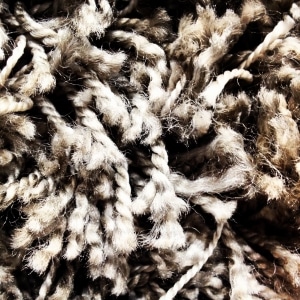
- Loop pile: Shaggy style that will be very soft. These carpets feature uncut loops.
- Cut pile: A plush style that has its loop ends cut.
- Carpet tile: Individually placed squares that can be replaced easily
You might find that some carpets are glued down, while others use tack strips. Each style will require a slightly different removal method.
Essential Tools For Carpet Removal
Before starting your removal process, you will need some tools to help you pull up and organise the carpet. Helpful tools for your carpet removal include:
- Utility knife or razor knife
- Sleeve blades (as they will usually run out quite quickly
- Pry bar
- Pliers
- Dust mask
- Flat-head screwdriver
- Floor scraper (or a similar flat tool)
- Knee pads
- Work gloves
- Skip bin, trailer or removalist company for disposal
Not only will these tools make the task of your removal simpler, but equipping yourself effectively will make the process much safer.
Old Carpet Removal Preparation
Preparing your area for a carpet removal is just as important as the removal itself. Move all of your belongings, including furniture, shelving units and clothes, out of the room to avoid any damage to them. This will open up space for you to get your carpet removal done safely and will save time in the long run.
Next, assess the carpet condition. If you notice stains or potential allergens, put on a mask and gloves to protect yourself from dust and debris. For instance, carpets can harbor allergens like pet dander or dust mites, affecting sensitive individuals.
Once you have prepared your area and geared up appropriately, it’s time to get rid of your old carpet.
How To Remove Old Carpet – A Step-by-Step Guide
Cut the Old Carpet Into Strips
The best way to manage the carpet is to cut it into strips. While you can do this at the end, the most ideal way to keep things neat and ordered while you work is to cut the carpet into manageable pieces before pulling it up. This not only makes removal easier, but it also ensures a safe working environment, which minimises trips and falls.
Simply start cutting a small notch in the corner of the room with a utility knife, so that you can pull back on the carpet with some leverage. Once loosened, cut the carpet into manageable strips of about 60 centimetres wide so that they will be easier to dispose of later.
Pull Up The Old Carpet
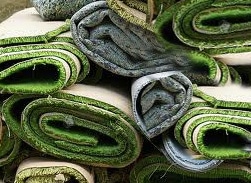
Once you have cut the carpet into strips, you can begin to pull it up. Find the edge of the carpet that you have made a notch in and pull it up gently. As you are pulling it up, try rolling it into a long, cylindrical shape and throw a strip of duct tape around it. This will make it much easier to haul the old carpet out of the area and will mean less mess for you to clean up later.
If you are having trouble with tack strips or adhesive stubbornly holding the carpet to the floor, use your pry bar or carpet scraper to get some leverage. Then, you can gently pry the carpet off the floor, and you will hear a satisfying ripping sound that will indicate you have successfully loosened them.
Note that if you have a thicker style carpet, you will have to apply more pressure to cut through the tough material.
Remove The Underlay, Padding, Tack Strips And Carpet Pad
Once the carpet is lifted off the floor, you will notice that the carpet does not attach directly to the floor underneath. There is usually an underlay, tacking and/or a carpet pad that the carpet is attached to, which provides buffering to protect the floorboards from damage and to provide extra cushioning.
Underlay is usually made of felt, foam or rubber, and is held in part by the tack strips, which are stapled, glued or nailed down to the subfloor. This must also be removed, however, it is generally the same process as the carpet. Begin from the corner (use a knife if you cannot pull it up), and pull the underlay up.
Here, it is imperative that you wear gloves! The only thing that staples enjoy more than holding down carpet is biting into fingers. After it has been lifted off safely, you can roll it up and discard it along with the carpet.
Cleaning Up For New Carpet Installation or Floorboarding
Finally, it’s time to clean the area by vacuuming or sweeping the subfloor to remove dust, debris, clutter, or leftover materials that are stuck to the floor.
A clean surface will prepare you for your next flooring project, whether you plan to install new carpet, hardwood, or another material. If you have nice hardwood floors underneath your carpet, this might be the perfect opportunity to embrace the wood that has been hiding there.
Old Carpet Disposal Options
While you may think the only option is to chuck your dirty, old rolls of carpet into your car and drive down to the tip, there are other ways to dispose of your old carpet more effectively and efficiently. Here are some solutions for your old carpet disposal:
- Reuse: Carpets and rugs that are in good condition can be donated to charities or used as a soil cover or mulch for gardening.
- Recycling: There are carpet recyclers across Australia that can reclaim old carpet and recycle carpet tiles. Some companies also offer take-back programs for their carpet tiles.
- Disposal: Old carpets that cannot be recycled or reused must be disposed of responsibly by a waste disposal facility or through a council pickup.
- Hiring a Professional Rubbish Removal: These days, who has the energy or inclination to remove carpet, let alone without having any training in such a task. Not everyone is a DIY person, and that is totally okay! For an easier and safer way to remove and dispose of a carpet, you can call 1300 Rubbish, and we will take care of everything. Simply dial 1800 458 211 to talk to our friendly customer service team. Get a free and non-obligation estimate when you call us today!
Why You Should Consider Replacing or Disposing of Old Carpet
Old carpet can be very problematic due to age-related wear and tear, accumulation of dirt, bacteria and allergens, along with there being potential health risks from chemicals. While you may not have to completely renovate your flooring, ensuring that your old carpet is clean and fresh will have a multitude of benefits.
Below are reasons why you may consider replacing or disposing of your old carpet:
- Wear and Tear: General wear and tear of carpets is very common. As they age, carpet fibres can become matted, colours can fade away, and stains can become very stubborn. This can result in a less comfortable carpet, along with the look and feel of it being very dirty.
- Hygiene and Allergens: Old carpet is a breeding ground for dust mites, mould, pet dander, and other allergens, which can trigger allergic reactions and asthma.
- Health Risks: Carpets that are quite old, from the 80s, may contain harmful chemicals like phthalates, flame retardants, and even traces of lead. The properties of these chemicals can pose serious health risks, particularly to children.
- Unpleasant Odours: A smelly carpet is certainly not ideal for any home, office or living space. Odours from pets, household chemicals or general aging can be very difficult to remove even with a thorough clean.
1300 Rubbish Carpet Removal Services – Removing The Easy Way
You don’t realise when you’re standing on it, but carpet takes up a lot of space. Removing such a large piece of your home or living space can be very tough on your own, fortunately, there are companies like 1300 Rubbish who are experts in removing rubbish of all shapes and sizes safely and efficiently.
Our rubbish removalists will take care of your carpet in five simple steps:
- They will move the big pieces of furniture for you if required
- Rip up, cut up AND dispose of the carpet
- Rip up the underlay and dispose of it
- Depending on your instructions, they can either rip up or leave alone the tack strips (be sure and ask your carpet installer if they want them left as they can sometimes be reused).
- They even sweep up afterwards!
If you’re ready to walk on sunshine with a new carpet under your feet, contact our friendly team at 1300 78 22 47 or fill out our online form to schedule a free estimate.
FAQ
Where Can I Go For Old Carpet and Rug Recycling?
Unfortunately, there are no recycling facilities in Australia that allow for carpet and rug recycling. However, as we have mentioned, some carpet manufacturers offer “take-back” schemes for their own carpet tiles and have programs where they recycle these carpets into new products or weed-matting. Additionally, some smaller recycling centres may offer carpet disposal options.
What Should I Consider When Getting Rid Of My Old Carpet
There are a few things you should consider before getting rid of your old carpet to ensure that you are safe and efficient at removing it.
- Asbestos: Have your carpet tested for asbestos, especially if you carpet is very old, as it can be hazardous to move.
- Spacing: Clear your removal area where the carpet will be removed to avoid injury and damages.
- Legal Disposal: Abide by your local council’s guidelines for disposing of your old carpet waste.
When Do I Replace My Carpet?
Homeowners will usually know when it’s time to upgrade their carpet or flooring situation. Old carpets will often become matted, frayed and weathered with time and furniture marks can start to damage the aesthetics of your carpet after years of pressure. In other situations, carpet might become damp, smelly, or be ripped and torn from the million different activities that go on in households.