
Articles

Furniture Recycling: How To Get Rid of Unwanted Furniture

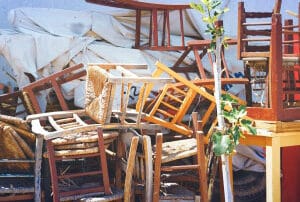
Key Takeaways • The best option for unwanted furniture in good condition is sale or donation, Facebook Marketplace, Gumtree, and local buy/swap/sell groups, which move furniture quickly and for free. • Charities, including The Salvation Army, Vinnies, and Lifeline, accept furniture donations but have standards where items must be clean, functional, and structurally sound. • Council hard rubbish collection is a free disposal option, but is typically available only annually and often restricted in what types and quantities are accepted. • Upcycling or repurposing unwanted furniture, painting, reupholstering, or adapting for another use, has become a popular way to extend furniture life and reduce waste. • When furniture is in poor condition, cannot be donated, or you need it gone urgently, 1300 Rubbish provides fast furniture removal from inside the home. Looking to part ways with your favourite arm chair, one of your most
2026-08-05T18:54:13+10:00October 11th, 2021|Articles|

Effective Waste Management Strategies for Offices and Small Businesses

Key Takeaways • Ensure your bin is the right size, as most businesses are paying for bins that are too large, collected too frequently, or that are being filled with the wrong waste stream. • Implement a dedicated organics bin for commercial kitchens, cafes, and food-handling businesses, as food waste is the highest-volume and most divertible commercial waste stream. • Engage staff at all levels in waste practices, floor staff have the most direct impact on what goes in each bin and respond well to visual cues and clear labelling. • Work with a waste contractor who provides data reporting. Knowing your exact volumes and diversion rates makes environmental reporting and sustainability targets achievable. • For intermittent bulk rubbish beyond routine bin services, 1300 Rubbish provides flexible on-demand commercial rubbish removal without lock-in contracts. Waste management in the workplace is vital for maintaining a

2026-08-05T19:55:35+10:00October 4th, 2021|Articles|

What Can You Recycle On A Construction Site?

Key Takeaways • Steel and metal are the most recycled construction materials. Structural steel, reinforcing bar, and metal fixings all have strong commodity value and are diverted from landfill by scrap dealers. • Concrete and masonry can be crushed into recycled aggregate for road base, drainage, and fill. This is one of the highest-volume construction recycling streams in Australia. • Untreated timber can be chipped for mulch or biomass fuel. Treated pine (CCA) requires different disposal and is not accepted in general green waste streams. • Plasterboard (gyprock) is 100% recyclable when kept dry and separated, contaminated or wet plasterboard typically goes to landfill. • 1300 Rubbish supports construction site recycling by collecting and segregating recoverable materials, including metal, timber, concrete, and plasterboard at the point of collection. In 2019 the construction and demolition (C&D) sector contributed to 27 million tonnes of waste, accounting for

2026-08-05T19:58:24+10:00September 30th, 2021|Articles|

How To Make Your Household Rubbish Free

Key Takeaways • Making your home more rubbish-free starts with auditing what you actually discard each week, most households are surprised by how much preventable waste is generated. • Switching to reusable shopping bags, produce bags, and containers eliminates a large fraction of single-use plastic from the typical household waste stream. • Composting food scraps, including cooked food in a bokashi system, can divert 30–40% of the average household's landfill waste. • Buying second-hand, repairing items before discarding, and choosing products with less packaging are the most impactful consumer-side rubbish reduction strategies. • For periodic declutters or renovation clean-outs that go beyond what kerbside bins can handle, 1300 Rubbish provides fast, flexible rubbish removal. If you want your home to be clean and tidy all year long and to keep your space rubbish free, you need to consider the 5 Rs of rubbish removal. These

2026-08-05T19:44:57+10:00January 18th, 2021|Articles|

National Recycling Week

Now in its 24th year, National Recycling Week is set to take place from the 11th to the 17th of November. The week is an opportunity for us as individuals, businesses, communities, a country and the Earth as a whole, to consider how we can become more effective with recycling our waste and rubbish. Hosted by Planet Ark, National Recycling Week 2019 aims to educate communities on recycling and effective waste management. Rubbish Recycling from your rubbish pick up According to recent research, 91% of Australian households have access to kerbside recycling of municipal waste, and 98% of us participated in some form of recycling. With 90% of Australians agreeing that recycling is the right thing to do, National Recycling Week is the perfect time to encourage recycling of both household waste and larger, bulkier items such as mattresses, couches and other large furniture. Rubbish

2021-05-24T11:31:17+10:00October 28th, 2019|Articles|

How are Businesses minimising their environmental impact?

Key Takeaways • Leading businesses are reducing environmental impact through waste audits, switching to circular procurement models, and setting science-based emissions reduction targets. • Diverting organic waste to composting or anaerobic digestion, rather than landfill, is one of the fastest payback waste reduction strategies available to commercial operators. • Supplier selection is increasingly an environmental lever: businesses that assess the sustainability credentials of their supply chain reduce indirect (Scope 3) emissions significantly. • Employee engagement programs, such as green teams and clear recycling systems, consistently outperform policy alone in reducing workplace waste generation. • 1300 Rubbish supports businesses minimising their footprint by providing compliant commercial waste removal, recycling separation, and same-day collection to avoid waste accumulation. 1300 Rubbish has long been dedicated to responsible waste management. As a rubbish removal company, we see fist hand the impact that poorly managed waste and

2026-08-05T19:42:20+10:00August 22nd, 2019|Articles|

The Consequences of Illegal Dumping

Illegal dumping is a major and unfortunately common problem in many parts around the country. Rubbish, waste and discarded items pose problems for humans, wildlife and the environment alike. Illegally dumped waste can have a negative impact on the appearance of nature and urban areas but more importantly reduce the quality of life and cause dangers associated with hazardous waste.   The New South Wales government has an Illegal Dumping Strategy which is backed by continued funding of $65 million. While this funding aims to support a range of solutions to illegal dumping in partnership with councils, industry and the community, it’s important that we, as individuals know how to deal with our waste and keep our community clean.   So, what is illegal dumping?   We all understand the impacts that illegal dumping can have on the world around us but what constitutes illegal dumping?   The NSW

2021-05-24T11:31:18+10:00May 24th, 2019|Articles|

How To Plan A Home Renovation

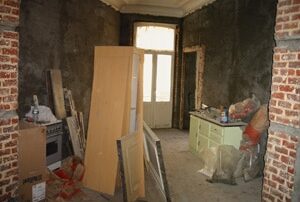
There are numerous tasks that are needed to be completed in a home renovation, where you might not even know where to begin! When it comes to revamping a home, it can take months to plan and even more months to complete the entire transformation process. Although renovating a house can be an overwhelming experience, it can be an exciting one with sufficient preparation. Whether you’re renovating to enhance the quality of your home for you and your family or looking to renew a property for investment, you can easily renovate a house according to your needs. Here are some tips and tricks to plan a home renovation. 1. Consider building costs Before diving into the building aspect of your renovation, you need to formulate a budget. Creating a budget will help you keep tabs on the amount financing that is required to purchase building materials and furniture to refurbish

2021-05-24T11:31:19+10:00March 1st, 2019|Articles|

8 Mistakes you probably make when recycling

There’s no doubt that the public are beginning to come to terms with the problems caused by our waste. Woolworths and Coles recently banned single use plastic grocery bags, and with China cracking down on imported recyclable rubbish, recycling has become increasingly important for Australia. When recycling is collected, collection companies must limit waste contamination to 0.5% if they wish to export it. Many companies report that the waste they’re collecting has up to 18% contamination so it’s clear that we could be recycling more effectively. Here are 8 common mistakes to think about when disposing of your recycled goods. Not removing food One of the most important things we can do to ensure we are recycling as effectively as possible is to remove any food waste from our recyclables. Generally, the more clean, dry and empty recyclables are, the better. Simply removing food scraps and rinsing out containers will

2021-05-24T11:31:19+10:00January 22nd, 2019|Articles|

How to dispose of household items responsibly

The way we dispose certain household items has a huge impact on the environment. For most of our day to day rubbish, not much thought is needed. Recyclables go into the yellow lid, plant material goes into the green and pretty much everything else goes into the red lid bin. However, this leaves us open to making mistakes when it comes to disposing household items thoughtfully and responsibly. All too often things like mattresses and electronics are illegally dumped creating eyesores and negative impacts on the environment and surrounding wildlife. Here’s how you should dispose of certain household items responsibly to ensure minimal impact on the environment while avoiding any illegal dumping fines. Mattresses Mattresses are one of the most illegally dumped items out there. With over 1.25 million mattresses dumped every year, a huge amount unfortunately end up in landfill. Fortunately, more and more initiatives are being created to

2021-05-24T11:31:19+10:00December 3rd, 2018|Articles|

6 easy steps to clean your garden

As summer approaches, it can be the perfect time to clean up your garden, remove weed, establish new garden beds and plants and give your garden its yearly fertiliser. Tidying up your garden cannot only help it become more attractive, but it can make it safer and healthier for you and your family. Here are X easy steps to get your garden looking spick and span for summer and the festive period. 1. Clear tall grasses The first step to tidying up your garden is to cut down all your overgrown grasses and small plants. Not only will this neaten up your garden, but it will also make it easier to remove weeds and intrusive plants. This task is made simple by tools like line trimmers. 2. Trim shrubs and overhanging trees The next most important step is to clean up large shrubs and trees. This will require a tree

2021-05-24T11:31:20+10:00November 30th, 2018|Articles|

5 things to do in the lead up to Christmas

Christmas is just a few short weeks away. For many of us, this means the panic of last minute shopping and cleaning is about to set in. While it can be a stressful period, the festive season is meant to be full of joy and celebrations. Follow this list of things to do in the lead up to Christmas so you can enjoy the day once it arrives. Prepare for Guests Whether you’re hosting the big day, or are expecting visitors through the holidays, it’s important that your prepare your home for your guests. To begin with, decorating your home with Christmas items is simple and easy but an effective way to get you, your family and any visitors into the spirit. If you have friends or family that are planning to stay at your house, then obviously you should sort out the guest room. Depending on your home, this

2021-05-24T11:31:20+10:00November 28th, 2018|Articles|

Why E-Waste Recycling Is Important

Aside from the obvious security issues associated with simply throwing your e-waste into the bin, there are also major environmental impacts too. Almost all electronics are filled with chemicals like lithium that are highly toxic and will leak into the environment over time. On top of the chemicals, most electronics are also made with plastic or have a number of plastic components that will never break down in typical landfill. That alone should be a major driver for you to recycle your e-waste. We’ll take a look below at the types of e-waste you’ll find in your home, what chemicals you might find hiding inside and how to correctly dispose of these items without causing any harm to your local environment or adding to landfill. Rapid Growth of E-waste On a global scale, the challenges that come from the improper disposal of e-waste are some of the most difficult to

2021-05-24T11:31:20+10:00November 6th, 2018|Articles|

What Are the Different Types of Waste and How Do You Get Rid Of Them?

Key Takeaways • Waste in Australia is formally classified into general, recyclable, organic, hazardous, clinical, and construction/demolition, each stream has different regulatory requirements for handling and disposal. • Hazardous waste (chemicals, asbestos, tyres, batteries) requires licensed transport and disposal and cannot be mixed with general waste, doing so is an offence under state legislation. • The waste hierarchy, refuse, reduce, reuse, recycle, recover, dispose, is embedded in national and state waste policy and should guide disposal decisions from most to least preferred. • E-waste, green waste, and organics are the three streams with the highest potential for recovery and diversion that Australians routinely send to landfill unnecessarily. • 1300 Rubbish handles mixed residential and commercial loads, sorting waste on collection to maximise recovery and minimise what goes to landfill. If you and your family are like any other typical Australian family then there’s a good

2026-08-04T20:08:45+10:00August 1st, 2018|Articles|

What to consider when building a granny flat

Key Takeaways • In NSW, a secondary dwelling (granny flat) of up to 60 m² can be approved as Complying Development if it meets SEPP requirements, no DA required in most residential zones. • Key site considerations include minimum lot size (450 m² in most NSW councils), setbacks from boundaries, existing site coverage, and stormwater drainage requirements. • Building a granny flat generates significant construction waste. It is important to budget for site waste management from the outset so debris doesn't accumulate and create compliance issues. • Choose materials and finishes that are durable and low-maintenance. Granny flats are typically long-term rental investments where ongoing maintenance costs are a key factor. • 1300 Rubbish provides construction waste removal throughout the granny flat build, keeping the site clear at each stage from footings to final fit-out. If you’re looking for ways to add some extra space

2026-08-05T19:59:43+10:00June 2nd, 2018|Articles|

Getting Rid Of Green Waste

By essence, green waste is anything that is biodegradable, any plant life and any type of garden waste such as compost, grass and hedge trimmings. If you have a garden and you maintain it every day, you could be producing a lot more green waste than you could have imagined. In this case, you may need professional assistance as far as getting rid of green waste is concerned. Compared to other types of waste, it is relatively cheaper to get rid of green waste. If you’re getting rid of green waste, you should be able to separate out certain items from your green waste prior to taking them to the landfill. Disposing Green Waste At The Landfill Sorting out your green waste can help you a lot when you need to dispose and take them to the landfill’s transfer area. Some of the items that are allowed for disposal

2026-07-31T14:43:58+10:00March 30th, 2018|Articles|

Where does all the rubbish go?

Key Takeaways • Modern landfills in Australia are engineered facilities with lined cells, leachate collection systems, and landfill gas capture, they are not open dumps but heavily regulated infrastructure. • Landfill gas, primarily methane and CO2, is increasingly captured at larger facilities and converted into electricity, reducing net greenhouse emissions from waste disposal. • Despite significant investment in recycling infrastructure, approximately 38% of Australian waste still ends up in landfill, and organics and mixed household waste are the largest contributors. • NSW Waste Levy charges apply to all material sent to landfill. These fees are passed on to consumers and businesses and increase annually to incentivise diversion. • 1300 Rubbish actively sorts collected waste to maximise diversion from landfill, directing recoverable materials to appropriate recycling and reuse facilities. According to the Australian Bureau of Statistics (ABS), in 2009-10 Australians sent 21.6 million tonnes of waste

2026-08-05T18:56:43+10:00January 8th, 2018|Articles|

How Much Waste Does Australia Produce? A Complete 2025 Guide

Key Takeaways • Australians send approximately 20 million tonnes of waste to landfill each year, representing about 38% of total waste generated nationally. • Organics, food scraps, garden waste, and timber make up the largest fraction of what goes to landfill, despite being fully compostable or recoverable. • Landfill levy costs are rising across all states to discourage landfill use and fund better waste infrastructure. In NSW, the levy is among the highest in Australia. • The National Waste Policy Action Plan 2019 targets an 80% average resource recovery rate from all waste streams by 2030, requiring significant behavioural and infrastructure change. • Choosing a rubbish removal service that actively sorts and recycles reduces how much of your clean-out ends up in landfill. 1300 Rubbish prioritises diversion at every job. Waste is an unfortunate fact of modern life. Many Australians are passionate about reducing

2026-08-05T18:47:22+10:00November 2nd, 2017|Articles|

White Goods Rubbish Removal Sydney

White goods are usually domestic appliances that are large and bulky in size which make them difficult to be transported. Used mostly in doing routine chores, white goods would include air conditioner, clothes dryer, washing machine, dishwasher, stove, microwave oven, freezer and fridge. Electronic goods that are smaller do not qualify as white goods. These include irons, kettles, toasters and vacuum cleaners. White Goods Removal One of the best ways to cut your power bill is by getting rid of a second fridge or freezer which you don’t really need that much. While some would prefer having a personal fridge inside their bedroom for an added convenience, simply sticking with the fridge in the kitchen can have a lot of benefits. It’s also a great way to exert a few extra steps towards the kitchen which should be good for the body. Reuse or Resell Old appliances such as the

2021-05-24T11:31:23+10:00August 26th, 2017|Articles|

Garbage Bin Rental

Key Takeaways • Garbage bin rentals (skip bins) in Australia are priced by size (2m³ to 30m³), location, and waste type (mixed, general, or heavy waste), all of which have different rates. • Most bin rental providers do not accept hazardous waste, tyres, asbestos, or liquids in standard bins, these require specialist disposal and incur surcharges. • Council permit requirements for bins placed on public roads vary by local government area; failing to get a permit can result in fines. • Skip bin hire works best for longer projects where you need continuous on-site storage. For one-off clean-ups, an on-call removal service is often faster and cheaper. • 1300 Rubbish offers an alternative to bin hire with on-demand collection, no delivery wait, no council permits, and the team loads it for you so you don't have to. If you’re planning to do some house

2026-08-05T19:24:20+10:00August 22nd, 2017|Articles|
Go to Top