
Articles

Getting Rid Of Broken Electronics Sustainably

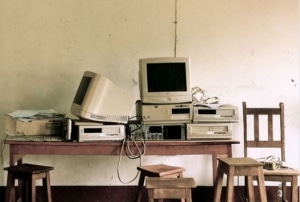
Key Takeaways • Broken electronics contain hazardous materials, including lead, cadmium, beryllium, and lithium, all of which leach into soil and groundwater when sent to landfill. • Australia's NTCRS (National Television and Computer Recycling Scheme) accepts broken TVs, computers, printers, and laptops for free at over 1,500 collection points nationally. • Broken phones and batteries fall outside the NTCRS. You can take these to MobileMuster (Australia Post, Officeworks) or the B-cycle battery network. • Some manufacturers operate mail-in recycling programs for broken devices. Apple, for example, accepts any Apple device regardless of condition. • 1300 Rubbish collects broken electronics as part of a mixed rubbish job or dedicated e-waste removal, diverting material to licensed recyclers rather than landfill. Electronics are made from materials like metals, plastics, and glass. These materials are manufactured and mined, making their process of creation, use and disposal more complex
2026-08-05T19:29:30+10:00April 18th, 2022|Articles|

How To Safely Dispose Of Old Paint Tins

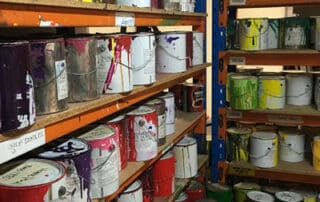
Key Takeaways • Old paint tins cannot go in kerbside recycling bins, regardless of whether the paint is dry or wet, wet paint is classified as hazardous liquid waste. • The PaintBack scheme accepts old household paint at drop-off points around Australia for free, over 400 collection sites nationally accept water and oil-based paints. • Empty, fully dry paint tins with lids removed can generally go in the metal recycling bin; contaminated or partially full tins must go through PaintBack or a chemical drop-off. • Storing leftover paint correctly (sealed, upright, away from temperature extremes) extends its usable life significantly and reduces how much you need to dispose of. • 1300 Rubbish can collect old paint tins as part of a garage, shed, or renovation clean-out and directs them to an appropriate hazardous materials facility. Get AI Insights on this story: ChatGPT Perplexity Have

2026-08-05T18:50:33+10:00April 14th, 2022|Articles|

Tips For End Of Lease Rubbish Removal

Key Takeaways • Book rubbish removal at least 48–72 hours before the final inspection. Last-minute removal bookings risk same-day unavailability and leaving items that cost you bond money. • Separate items for donation, sale, or disposal before the removal team arrives. This reduces the load, cuts costs, and ensures that you don't accidentally discard valuable items. • Check your lease agreement carefully: some leases require professional carpet cleaning, pest treatment, and professional cleaning on top of rubbish removal. Budget for these as a package. • Photograph the property before and after the clean-out. This protects you if the landlord makes claims beyond normal wear and tear. • 1300 Rubbish specialises in end-of-lease rubbish removal, with flexible scheduling to work around your moving timeline and final inspection date. Moving into a new home can be a bittersweet experience. You are excited for the new opportunity

2026-08-04T20:15:52+10:00April 10th, 2022|Articles|

Simple Tricks For Wall To Wall Carpet Removal

Key Takeaways • Start at a corner or doorway to loosen the carpet edge, gripping the face material and pulling at a 45-degree angle, this avoids tearing the backing. • Cut large rooms into strips of approximately 60 cm width for manageable rolling and carrying; wider strips become heavy and awkward fast. • Tack strips along the perimeter are sharp, always use heavy gloves and dispose of them separately in a puncture-proof container to protect waste handlers. • Old underlay often disintegrates when removed, especially foam-backed varieties, have heavy-duty bags ready and factor in additional time for crumbling material. • 1300 Rubbish removes old carpet, underlay, and tack strips from any size property, saving you the time and effort of multiple tip runs. Are you considering removing wall-to-wall carpet from your home? If so, you're not alone. You might be changing your carpet due to

2026-08-05T19:49:15+10:00April 6th, 2022|Articles|

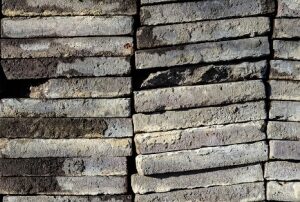
How To Prepare For A Residential Brick Wall Demolition

Key Takeaways • Before any residential wall demolition, determine whether the wall is load-bearing, demolishing a structural wall without proper support causes serious safety risks and structural damage. • Check for electrical wiring, plumbing pipes, and data cables concealed in the wall cavity before cutting. Using a stud finder and thermal camera or engaging an electrician avoids costly mistakes. • All residential demolition work, including partial internal demolitions, may require a Development Application (DA) or Complying Development Certificate (CDC), depending on your local council. • Identify asbestos risk before any demolition with a licensed inspector. Homes built before 1990 commonly contain asbestos sheeting in internal walls, eaves, and wet areas. • After demolition, 1300 Rubbish removes brick rubble, plasterboard, and mixed demolition waste efficiently so your tradesperson can begin the next stage without delays. Get AI Insights on this story: ChatGPT Perplexity The most common

2026-08-04T20:24:57+10:00March 4th, 2022|Articles|

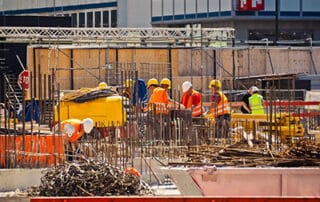
Builders Waste Removal Tips And Tricks

Building waste accounts for about half of all materials used and approximately half of the solid waste generated worldwide, according to  the Department of Agriculture, Water and the Environment.   A construction site can quickly become a stressful, messy and dangerous place if certain rules, regulations and procedures aren’t followed. When you know how, reusing, recycling and removing your waste will be a breeze. We are professional builders waste and construction rubbish removalists who can take the hassle out of cleaning your site. How To Start Reusing, Recycling and Removing Building Waste The first step should be to identify the materials on your building site that can be recycled or disposed of in an environmentally friendly manner. These materials consists of: Asbestos and materials which contain asbestos Asphalt, brick and masonry blocks Untreated wood, such as pallets or plywood Drywall, ceramic and porcelain Tiles, mirrors, toilets,

2022-02-22T12:41:16+11:00February 22nd, 2022|Articles|

How To Prepare For Your Office Strip Out

Key Takeaways • Office strip-outs require a scope of works document before demolition begins, this defines what's being removed, what's being retained, and what responsibilities lie with the tenant versus landlord. • Confirm make-good obligations in your lease before demolition commences. Incomplete or non-compliant make-goods result in deductions from the lease bond or security deposit. • Workstations, chairs, IT equipment, and server infrastructure should be managed separately from general strip-out waste, IT assets may have data destruction requirements. • Coordinate trades in sequence: data and communications removal, then furniture, then partitions and fit-out elements. Doing it out of order creates rework and delays. • 1300 Rubbish provides same-day and scheduled office rubbish removal for strip-outs of all sizes, from a few workstations to full floor plates. An office strip-out can be an exciting time for your business. It’s your chance to breathe new life

2026-08-04T19:54:30+10:00February 15th, 2022|Articles|

How To Get Rid Of A Car Sustainably

Key Takeaways • The most sustainable way to dispose of a car is through an End-of-Life Vehicle (ELV) recycler, which salvages usable parts and recycles the remaining metal through established smelting processes. • Donating a working vehicle to a charity or selling it privately extends the car's useful life, keeping it out of the waste stream entirely. • Cash-for-cars services (auto wreckers) provide free collection and pay you for old, damaged, or non-running vehicles, the metal has commodity value regardless of condition. • Never abandon a vehicle on public or private land, it is illegal in all Australian states and territories, and clean-up costs are often billed back to the registered owner. • While car removal isn't a standard rubbish removal service, 1300 Rubbish can assist with clearing out vehicle interiors and removing associated clutter from garages or driveways. Getting rid of a car can

2026-08-04T20:22:23+10:00February 12th, 2022|Articles|

Kitchen Demolition 101: A Kitchen Removal Guide

Key Takeaways • Kitchen demolition should follow a strict sequence: electricity and gas isolation, then appliance removal, then cabinetry, then benchtops, then floor and wall tiles. • Engaging a licensed plumber to cap off water and gas services before demolition begins is non-negotiable, cutting through unknown services causes injury, insurance claims, and project delays. • Assess the condition of walls and subfloor once cabinetry is removed. Damp, mould, or structural issues discovered at this stage must be addressed before the new kitchen goes in. • Salvageable cabinetry can be listed on Marketplace or donated, in good condition. A full kitchen's cabinetry has real resale value that offsets some renovation costs. • 1300 Rubbish removes all kitchen demolition waste in one load, old cabinets, benchtops, tiles, appliances, and plasterboard, so your site is clear on day one. Cooking up an at home demolition can be a

2026-08-04T19:55:52+10:00February 9th, 2022|Articles|

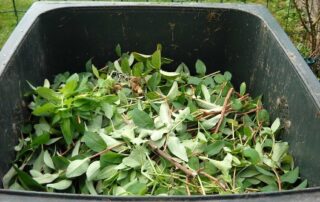
What Can Go In Green Waste Bins?

Key Takeaways • Green waste bins accept soft plant material, including lawn clippings, leaves, flowers, small branches (typically up to 10 cm diameter), and vegetable scraps in most council areas. • Items that cannot go in green waste bins include treated timber, rocks, soil, plastic pots, wire, food waste (in most councils), and weeds with seeds or roots attached. • Maximum branch sizes and acceptable materials vary by council, check your LGA's waste guide before filling the bin to avoid a missed collection due to contamination. • Compacting green waste by breaking branches and shredding coarse material allows significantly more volume per collection. • For volumes beyond the kerbside green bin, major garden overhauls, storm debris, tree removals, 1300 Rubbish provides bulk green waste collection. Get AI Insights on this story: ChatGPT Perplexity Green waste is an umbrella term which applies to any organic waste,

2026-08-05T18:51:57+10:00January 20th, 2022|Articles|

The Best Backyard Clean Up Tips

Key Takeaways • Start a backyard clean-up by removing all dead plants, fallen branches, and accumulated debris before assessing what needs pruning or reshaping. Working on a clear canvas is always easier. • Separate green waste from hard waste at the start, green waste (lawn clippings, prunings, leaves) can be composted or mulched, while hard rubbish needs separate disposal. • Repair or remove broken garden structures, old sheds, crumbling retaining walls, and unused play equipment, which are safety hazards that should be dealt with as part of any major clean-up. • A garden clean-up generates far more volume than expected, the average backyard overhaul produces 1–3 cubic metres of mixed green and hard waste. • 1300 Rubbish removes all backyard clean-up waste, including green waste, old furniture, broken structures, and general junk in one efficient visit. Summer is upon us, which means the time of

2026-08-04T20:21:07+10:00January 19th, 2022|Articles|

What Are White Goods And How To Get Rid Of Them

Key Takeaways • White goods is the collective term for large household appliances including fridges, washing machines, dryers, dishwashers, ovens, and freezers. • White goods contain refrigerants, insulation foam, and metals that require specific end-of-life processing, they cannot go in general waste bins or standard kerbside recycling. • Council bulk waste collections accept white goods, but booking windows can be weeks away, check your LGA's current lead times before planning around this option. • Appliance retailers often include removal of the old unit in delivery fees, confirm this at point of sale so you can plan disposal at the time of purchase. • 1300 Rubbish removes white goods from any location, including tight kitchen, laundry, or garage spaces, often on a same-day or next-day basis. Our houses and workplaces are filled to the brim with white goods. But what are they? White goods are large

2026-08-04T19:47:56+10:00January 12th, 2022|Articles|

How Often Should You Replace A Mattress?

Key Takeaways • Most mattress manufacturers and sleep health experts recommend replacing a mattress every 7–10 years, though this depends on quality, usage, and physical wear. • Signs that indicate replacement is overdue include visible sagging or impressions, waking with back or joint pain, allergy flare-ups, and visible staining or odour. • Memory foam and latex mattresses typically last longer than innerspring alternatives; a quality mattress with a 10-year warranty often justifies the higher upfront cost. • Old mattresses cannot go in standard recycling bins and are not accepted at most council tips without a fee; illegal dumping of mattresses is a significant problem in Australian cities. • 1300 Rubbish collects old mattresses from homes, hotels, and aged care facilities as part of a full rubbish removal or as a standalone mattress pick-up. Getting enough sleep is integral to our emotional and physical wellbeing. Without

2026-08-04T20:17:14+10:00January 11th, 2022|Articles|

6 Ways To Make Your Construction Job Easier

Key Takeaways • Separate construction waste by type (timber, concrete, metals, plastics) from day one to reduce skip costs and maximise recycling rates. • Book a rubbish removal service before the job starts, not after, having a clear disposal plan prevents site hazards and project delays. • Label skip bins and designated waste zones clearly so every subcontractor knows where materials go from the outset. • Track and document waste disposal, especially for mixed and hazardous materials, this supports compliance and can be used in sustainability reporting. • 1300 Rubbish offers same-day construction waste removal across Sydney and surrounding areas, handling mixed loads of timber, rubble, plasterboard, and metal. You might feel like the easiest way to speed up a construction job is to simply work harder or faster, but that is not always the most efficient solution. Not only can ramping up the speed

2026-08-05T19:34:53+10:00January 10th, 2022|Articles|

How To Get Rid Of Concrete

Key Takeaways • Concrete is one of the heaviest materials to dispose of, even a small slab can weigh several tonnes, so disposal always needs a vehicle rated for that load. • Clean, uncontaminated concrete can be crushed and recycled into road base or fill material; mixed or contaminated concrete generally goes to landfill at a higher cost. • Breaking concrete into manageable chunks before collection reduces transport costs; hire a concrete saw or jackhammer rather than attempting manual breakup on large slabs. • Asbestos-reinforced concrete (common in older structures) must be identified and managed by a licensed asbestos removalist before any other contractor handles the material. • 1300 Rubbish removes broken concrete, rubble, and mixed demolition waste with load-size pricing, you only pay for what's actually collected. Concrete makes up a large percentage of construction waste each year, and it can be hard to

2026-08-04T19:44:45+10:00December 20th, 2021|Articles|

The Benefits of Construction Waste Removal

Key Takeaways • Professional construction waste removal keeps sites compliant with Work Health and Safety regulations. Accumulated debris is a leading cause of trip and fall injuries on building sites. • Cleared sites allow trades to work more efficiently. Unobstructed access reduces rework and accelerates build timelines. • Separating and recycling construction materials (concrete, steel, timber) reduces landfill disposal costs and supports sustainability reporting for commercial projects. • Many construction contracts now include waste management plans as a deliverable. Using a compliant removal service makes fulfilling this obligation straightforward. • 1300 Rubbish provides scheduled and on-call construction waste removal for residential and commercial projects, keeping sites clear throughout the build. There are some major benefits to implementing effective waste management, however, it can be difficult to know where to start. Organising multiple bins to segregate specific building materials and waste can be a real hassle

2026-08-05T19:50:28+10:00December 1st, 2021|Articles|

What Is Green Waste?

Key Takeaways • Green waste is any organic plant-based material generated from garden and outdoor maintenance, including lawn clippings, prunings, leaves, branches, weeds, and plant roots. • Green waste is not the same as food waste, the two are often managed through different collection systems and have different compostability profiles. • Green waste that goes to landfill produces methane as it decomposes without oxygen, methane is a greenhouse gas approximately 25 times more potent than CO₂ over a 100-year period. • When processed correctly through composting or anaerobic digestion, green waste becomes a valuable soil amendment that displaces the use of synthetic fertilisers. • For bulk quantities beyond the kerbside green bin, including storm debris, tree removals, and major garden renovations, 1300 Rubbish provides professional green waste collection. Green waste is a type of biodegradable waste that you can find in your garden and backyard.

2026-08-04T20:10:10+10:00November 22nd, 2021|Articles|

What Is Scrap Metal?

Key Takeaways • Scrap metal encompasses all metallic material that has served its primary purpose and is being diverted to recycling, including ferrous metals (iron, steel) and non-ferrous metals (aluminium, copper, brass, lead). • Non-ferrous metals have significantly higher commodity value than ferrous metals, copper and aluminium command the highest scrap prices per kilogram in the Australian market. • Scrap metal dealers pay by weight for delivered material; some provide free collection for large quantities (old vehicles, farm equipment, commercial machinery). • Household items with scrap metal value include old appliances, tools, copper piping, aluminium window frames, and car parts, these can offset or eliminate disposal costs. • 1300 Rubbish separates scrap metal from mixed loads at collection, diverting it to scrap dealers to reduce landfill volumes and often offset total collection costs. Scrap metal essentially refers to any unused pieces of metal. Metals that

2026-08-05T18:34:56+10:00November 9th, 2021|Articles|

How To Get Furniture Marks Out Of Carpet

Key Takeaways • Furniture indentations in carpet are caused by compression of the pile fibres over time, and most recover on their own with minimal intervention once the furniture is moved. • The ice cube method (placing an ice cube directly on the dent and leaving it to melt and dry) allows the carpet fibres to absorb moisture and spring back naturally. • For stubborn dents, gentle heat from a steam iron held above (not touching) the carpet, followed by light finger-brushing of the fibres, restores the pile effectively. • Heavy furniture can cause permanent damage to lower-quality carpets after years of compression, carpet protector pads distributed under furniture legs reduce this. • If carpet is being replaced as part of a renovation or home update, 1300 Rubbish removes old carpet and underlay as part of the same rubbish removal job. Rearranging furniture, renovating a

2026-08-05T19:02:21+10:00November 8th, 2021|Articles|

How To Declutter Your House

Key Takeaways • Effective decluttering works room by room with a strict keep/donate/discard system, avoid sorting everything into one large pile which quickly becomes unmanageable. • The '12-month rule' is a reliable declutter heuristic: if you haven't used, worn, or needed it in the past year, it's a candidate for removal. • Digital clutter (unused subscriptions, duplicate files, old photos) contributes to mental load, pair a physical declutter with a digital one for a more complete reset. • Decluttering before listing a home for sale has demonstrated returns: studies consistently show that decluttered homes sell faster and at higher prices. • Once you've sorted what goes, 1300 Rubbish provides same-day or next-day collection of all discarded items, no need to move anything to the kerb yourself. Clutter is one of the most common features of a modern household. With minimalism and Marie Kondo’s method

2026-08-04T19:49:22+10:00October 12th, 2021|Articles|
Go to Top